
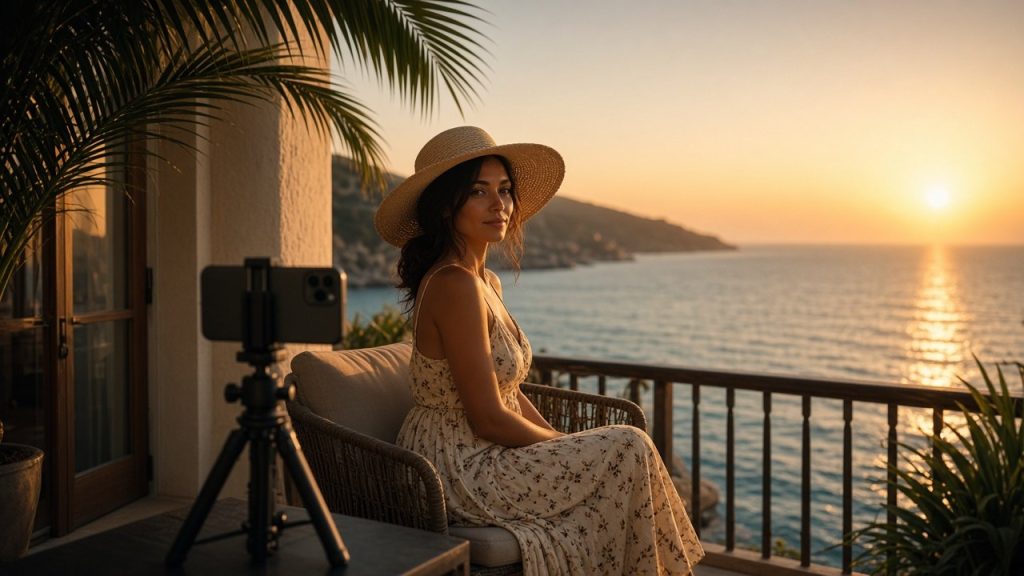
Live adult broadcasting has always thrived on variety, but few subgenres match the specific dynamic of outdoor streams. When a performer takes their show to a hotel balcony, a secluded beach, or a private backyard, the atmosphere shifts immediately from controlled indoor lighting to unpredictable ambient conditions. Viewers often assume these locations are chosen purely for visual stimulation, but seasoned creators know that broadcasting outdoors requires careful planning, technical adjustments, and a thorough understanding of platform terms of service. For audiences, understanding how to watch and interact during these streams enhances the experience while respecting the boundaries that keep performers safe and online. Furthermore, the modern landscape of adult entertainment heavily relies on creative differentiation. In an industry where thousands of models broadcast daily from standard bedrooms, stepping outside represents a bold strategic choice. It signals to the audience that the performer is willing to invest extra time, energy, and risk into their craft, creating a memorable experience that stands out in a crowded digital marketplace.
The Appeal and Reality of Open-Air Streams
Outdoor broadcasts bring a fresh aesthetic to the screen, contrasting sharply with the standard bedroom or studio setup. Natural sunlight, rustling leaves, and open-air backgrounds create a distinct mood that many viewers find exceptionally engaging. On platforms like Stripchat, creators frequently experiment with terrace environments to stand out in crowded broadcast directories. However, the reality behind these visually striking streams involves significant logistical effort and constant vigilance regarding the surroundings. Unlike the predictable environment of a four-walled room, the great outdoors introduces variables that can alter a broadcast within seconds. A sudden gust of wind can topple a tripod, an unexpected cloud can plunge the scene into shadow, or a distant noise can trigger safety concerns. Performers must balance the undeniable visual appeal of nature and urban vistas with the harsh practicalities of mobile broadcasting, ensuring their technical setup is just as robust as their on-screen performance.
Weather and Technical Hurdles
Wind interference, sudden drops in lighting, and ambient noise can easily ruin an otherwise great performance. Performers must invest in specialized microphones with deadcats or wind muffs and position their gear carefully to avoid glare. Furthermore, mobile internet connections can be notoriously unstable compared to hardwired home setups, leading to pixelation or dropped frames during high-traffic moments. Managing these elements requires a technical checklist that indoor performers rarely have to consider. For instance, audio fidelity is notoriously difficult to maintain when competing against ocean waves or city traffic. Models often use lavalier microphones paired with real-time audio monitoring to ensure their voice remains clear to paying viewers. Additionally, sunlight moves constantly, meaning a camera angle that looks perfect at the start of a stream may leave the performer overexposed or completely in shadow twenty minutes later. Mitigating these issues demands constant adjustments, patience, and a deep familiarity with portable broadcasting hardware.
Legal Boundaries and Platform Regulations
Broadcasting in public or semi-public spaces involves navigating strict legal lines regarding public indecency and consent. Major platforms maintain zero-tolerance policies for exposing non-consenting bystanders or streaming in locations where local laws prohibit explicit acts. Creators on networks such as Bongacams must review local ordinances before turning on their cameras outside. A failure to assess the environment properly can result in sudden account suspension or legal consequences. Legal definitions of public exposure vary wildly from one municipality to another, and what might be considered acceptable on a private balcony in one city could constitute a serious offense in another jurisdiction. Platforms enforce these rules strictly to protect their business operations and to maintain a safe ecosystem. Creators are entirely responsible for knowing the local laws of the geographic region they are broadcasting from, making thorough research an absolute prerequisite for any outdoor show.
Avoiding Unwitting Bystanders
One of the primary rules of outdoor broadcasting is ensuring that no strangers appear on screen, especially without their knowledge. Creators typically use tight framing, high camera angles, or deeply secluded properties like private patios to maintain total privacy. If a passerby happens to wander into view, professional performers immediately cut the feed or reposition the lens to protect civilian anonymity. This ethical and legal standard is non-negotiable. Privacy rights dictate that individuals cannot be broadcast in compromising or adult contexts without explicit, documented consent—something a random stranger on a public beach or a neighbor in an adjoining yard cannot provide. Performers develop a keen situational awareness, constantly scanning the periphery of their camera’s field of view. By utilizing specialized lenses with shallow depths of field, they can also blur out the background, ensuring that even if someone is far away in the distance, their identity remains completely obscured.
Popular Outdoor Settings Explained
Different outdoor locations present unique challenges and visual styles for adult entertainment. Balconies offer a sense of height and urban energy, while beaches provide natural textures and expansive horizons. On sites like Chaturbate, you will frequently see creators utilize these varied spaces during travel or while living in climate-friendly regions. Understanding the setting helps viewers appreciate the hidden effort required to pull off a seamless show. Each environment dictates a different style of interaction and preparation. A mountain cabin requires entirely different gear and safety considerations compared to a high-rise city terrace. Creators often match their wardrobe and performance style to the location, creating a cohesive thematic experience that resonates strongly with their audience base. Recognizing these distinct settings allows viewers to better appreciate the logistical hurdles overcome behind the scenes.
Balconies and Terraces
Urban balconies provide a dramatic cityscape background, but they also bring the challenge of overlooking neighbors or street traffic. Performers using balconies rely heavily on privacy screens, strategic lighting, and late-night schedules to minimize visibility from adjacent buildings. When tipping during these sessions, users often acknowledge the nerve-wracking nature of performing high above a city street, a dynamic explored further in guides on cam tipping etiquette. The thrill of the balcony stream lies in the subtle danger of the urban environment. Performers must be acutely aware of who might be looking up from street level or peering out from an opposite window. This heightened tension often translates into an intensely engaging broadcast, where viewers feel a shared sense of excitement and mild risk. To mitigate exposure, creators often position their backs directly against a solid wall, pointing the camera inward toward the balcony railing rather than outward toward the skyline, cleverly framing the background while keeping their profile hidden from neighboring units.
Remote Nature Spots
Forests, mountains, and private beaches offer total isolation from neighbors, allowing for much greater freedom of movement and sound. Yet, these locations introduce wildlife, sudden weather shifts, and a total lack of standard electrical outlets. Creators relying on portable power banks and mobile hotspots must monitor their battery levels closely to prevent the stream from cutting out mid-performance. Venturing into the wilderness also brings practical challenges such as insects, uneven terrain, and lack of cellular coverage. A 4G or 5G signal that appears strong at the edge of a state park can drop entirely once the creator walks a hundred yards into a wooded cove. Performers must scout locations thoroughly during daylight hours before attempting a live broadcast. They also need to pack emergency supplies, insect repellent, and backup power sources, treating their outdoor broadcast setup almost like a professional field-reporting kit.
How Performers Manage Audience Expectations Outside
Managing a live audience requires a steady hand, but outdoor environments add an extra layer of distraction. Creators often establish clear boundaries before the stream begins, detailing what is possible given their current location and privacy constraints. For foundational insights on navigating creator guidelines, readers can consult resources detailing how to read a cam model’s rules. When broadcasting outdoors, communication is paramount. If a sudden windstorm picks up or a police siren wails in the background, viewers need to know the performer is in control. Transparent communication builds trust and prevents misunderstandings when a show has to be abruptly paused or moved indoors. Fans who understand the unique limitations of outdoor spaces are generally much more supportive, often rewarding creators with generous tips for the extra effort involved in delivering a dynamic open-air experience.
- Checking local visibility and neighborhood foot traffic patterns.
- Securing equipment against wind gusts and accidental drops.
- Setting realistic expectations for audio quality in open spaces.
- Keeping backup internet connections ready for sudden signal drops.
Comparing Indoor Versus Outdoor Broadcasts
To better understand the contrast between standard room setups and open-air streams, consider the following breakdown of key broadcasting elements.
| Feature | Indoor Broadcasts | Outdoor Broadcasts |
|---|---|---|
| Lighting | Controlled ring lights and softboxes | Unpredictable sunlight or ambient night light |
| Audio Clarity | Minimal echo, easy to isolate voice | Wind, traffic, and nature noise interference |
| Privacy Risk | Low, controlled indoor environment | Higher risk of accidental bystanders |
| Equipment Needs | Standard desktop computer and webcam | Mobile devices, power banks, and portable mounts |
Finding Outdoor Content Across Major Networks
Many streaming platforms accommodate outdoor broadcasts by allowing specific tags or category filters. Viewers searching for open-air streams can often find dedicated content on diverse hubs like CamSoda, which is well-known for quirky and unconventional broadcast setups. Similarly, platforms such as LiveJasmin feature high-definition outdoor shows that prioritize visual polish and cinematic framing. Exploring these platforms gives users a wide variety of styles, from casual handheld balcony chats to meticulously produced terrace events. Navigating these directories effectively requires knowing the right keywords and tags. Terms like “travel,” “nature,” “balcony,” and “outdoor” help filter through thousands of indoor rooms to locate creators currently broadcasting under the open sky. Each platform fosters a slightly different culture around these streams, with some networks leaning into the spontaneous nature of mobile devices while others encourage high-end production values even when outside the studio.
Collaborative Outdoor Shows
When multiple creators team up for an outdoor broadcast, coordination becomes even more complex. Managing audio for multiple voices in an open space requires external clip-on microphones and careful spatial positioning. For couples or group performers planning these adventurous streams, reviewing advice on couples who cam together provides a solid foundation for on-screen collaboration. Group dynamics outdoors are amplified because performers must remain aware of each other’s physical positioning relative to the camera frame while simultaneously monitoring their external environment. Equipment management also doubles, requiring multiple power banks, extended cables, and synchronized audio recording devices. Despite these logistical hurdles, collaborative outdoor shows are immensely popular among viewers due to the high energy and adventurous spirit they project.
Frequently Asked Questions
Are outdoor cam shows legal?
Yes, provided they take place on private property—such as a fenced backyard or private balcony—and do not expose explicit content to non-consenting members of the public.
Do outdoor streams cost more tokens than indoor shows?
Pricing is entirely up to the individual creator and rarely changes based on location, though some performers adjust rates to account for the extra preparation required.
What happens if a stranger walks by during an outdoor show?
Professional performers immediately obscure the camera, end the public stream, or switch angles to ensure no bystanders are recorded without their consent.
How do performers handle bad weather during a live stream?
Most creators monitor forecasts closely and maintain an indoor backup setup so they can quickly transition inside if wind or rain interrupts the broadcast.
Which cam sites have the most outdoor streams?
Sites with large, diverse creator communities like Flirt4Free frequently feature adventurous broadcasters taking their shows out into the open air.
Bottom line
Outdoor cam shows offer a refreshing change of pace from standard indoor broadcasting, combining natural aesthetics with unique technical challenges. By respecting safety boundaries, understanding platform rules, and appreciating the effort creators put into open-air streams, viewers can enjoy a secure and highly engaging adult entertainment experience. The intersection of technology, performance art, and environmental adaptation makes these broadcasts a fascinating staple of modern adult media. As mobile technology continues to improve and portable streaming gear becomes more accessible, outdoor broadcasting will undoubtedly continue to evolve, offering audiences even more creative and visually stunning performances in the years to come.