
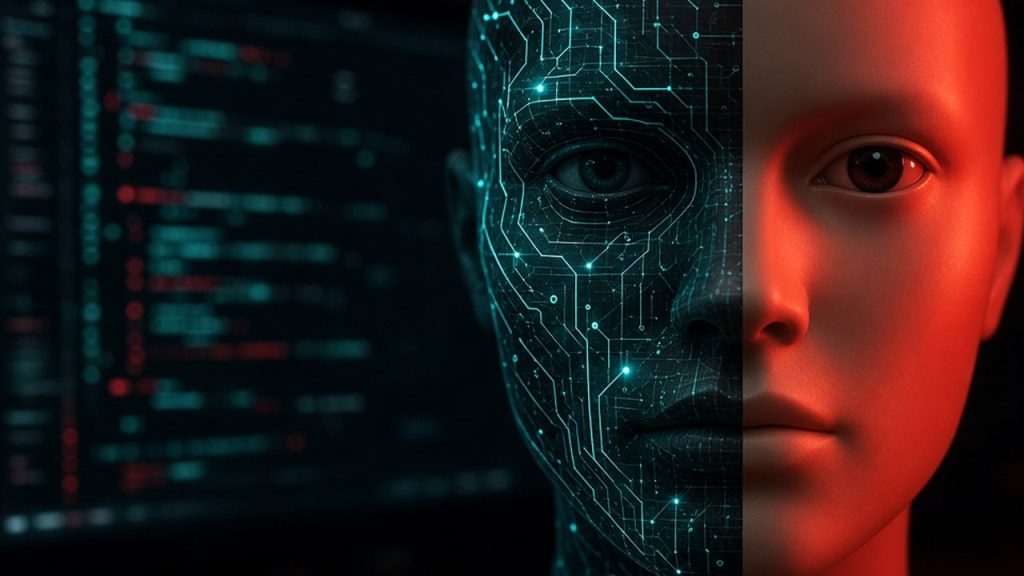
Artificial intelligence has fundamentally changed the digital entertainment landscape, touching everything from audio synthesis to hyper-realistic video generation. Within the adult live streaming industry, synthetic media and automated tools present both novel creative possibilities and significant consumer challenges. While some platforms embrace generative technology for creative expression, others enforce strict boundaries to protect the core value of human performance. Understanding how these systems operate helps you navigate public chat rooms, private shows, and custom content requests with greater awareness. As an informed viewer, recognizing the difference between authentic human streaming and algorithmic output ensures your entertainment choices align with your personal expectations.
The Current Landscape of AI on Cam Sites
The integration of machine learning into webcam platforms generally falls into a few distinct categories, ranging from basic backend optimization to fully synthetic personas. Many modern sites use algorithmic moderation tools to scan live video feeds for policy violations, ensuring community safety without heavy manual intervention. Other applications involve automated audio filtering, real-time background replacement, and enhanced streaming codecs that optimize video quality for viewers with slower internet connections. On platforms like Stripchat, technological innovation has always been part of the user experience, leading to early experimentation with interactive filters and digital avatars. However, the most debated form of synthetic media involves generative models that create entirely artificial video streams or alter a performer’s likeness in real time.
Creative Tools Versus Deceptive Bots
There is a stark operational difference between a human performer utilizing software to enhance their creative show and an automated system pretending to be a living person. Some creators use generative tools to produce background visuals, fantasy art assets, or promotional images for their profiles. Conversely, fully synthetic profiles attempt to simulate real-time human interaction using automated chat scripts and pre-recorded video loops. Platforms approach these two extremes differently, with some encouraging technological experimentation while others maintain zero-tolerance policies toward fake streams. If you enjoy interactive digital shows, you might also appreciate browsing Camsoda, where experimental technology and unique performer gimmicks are common features of the daily broadcast lineup.
Platform Disclosure Rules and Policies
Major live streaming websites have established varying rules regarding the use of synthetic media, primarily driven by consumer protection and trust. Transparent disclosure remains the cornerstone of these policies, requiring creators to clearly label any profile or stream that relies heavily on generative technology. A standard industry rule mandates that if a broadcast features a digital avatar or pre-recorded loops instead of a live human, the interface must display a prominent notice to the audience. This transparency prevents viewers from spending tokens on interactions with automated systems under the false assumption that they are communicating with a real person in real time. For traditional interactive broadcasts where human connection is paramount, reviewing platforms like Chaturbate reveals how community guidelines typically prioritize live human participation above automated gimmicks.
Enforcement and Verification Challenges
Enforcing disclosure rules is a complex task for platform operators due to the sheer volume of concurrent live streams and the rapid evolution of editing software. Moderation teams rely on a combination of automated detection scripts, user reports, and manual spot-checks to identify undeclared synthetic content. When a profile is found violating disclosure mandates, platforms typically issue warnings, suspend streaming privileges, or permanently ban the account. Viewers who want to understand more about how these digital rules intersect with performer guidelines can read How to Read a Cam Model’s Rules to get a clearer picture of platform governance. Despite these enforcement measures, clever bad actors occasionally slip through the cracks, making personal vigilance a valuable skill for any frequent viewer.
How to Spot AI and Synthetic Media in Live Streams
Spotting synthetic media requires a keen eye for subtle visual anomalies, audio inconsistencies, and behavioral patterns that betray algorithmic generation. While high-end generative models produce remarkably convincing results, they still struggle with real-time physics, complex lighting interactions, and continuous movement. When evaluating a broadcast, look closely at areas of the video feed that involve rapid motion, such as hair strands falling across the face or hands moving near the body. Furthermore, understanding the technical fundamentals of a proper broadcast setup can help you evaluate authenticity; for guidance on lighting cues, consult How to Spot Good Cam Lighting in Ten Seconds. Real human environments feature dynamic, imperfect lighting, whereas synthetic or deepfake overlays often display unnatural contrast shifts and edge blurring around the subject.
Key Visual Indicators
Examining specific anatomical and environmental details is often the fastest way to determine whether a stream features authentic human activity. Keep an eye out for the following common visual flaws associated with rushed synthetic video generation:
- Unnatural warping or morphing of background objects when the performer moves in front of them.
- Inconsistent lighting on the face compared to the ambient light in the surrounding room.
- Repetitive micro-expressions or looping blink patterns that lack natural human spontaneity.
- Blurry or distorted fingers, teeth, or earlobes during close-up camera angles.
- Mismatched audio synchronization where lip movements do not match speech rhythms precisely.
Deepfakes Versus Authentic Human Cams
The emergence of unauthorized likeness substitution, commonly known as deepfakes, presents a severe threat to the integrity of the live streaming ecosystem. Unlike consented digital avatars, unauthorized deepfakes take the facial features of well-known performers or private individuals and map them onto different video bodies without permission. This practice not only violates platform terms of service regarding consent and copyright, but it also erodes trust between audiences and legitimate creators. If you are concerned about unauthorized likeness manipulation, you can explore Deepfakes and Cam Models: Risks and How to Spot Them for a deeper analysis of these threats. Protecting authentic performers requires supporting platforms that utilize rigorous identity verification procedures during the creator registration process.
Comparison of Cam Content Types
To help you distinguish between different streaming formats, the following comparison breaks down the core characteristics of authentic human broadcasts, consented digital streams, and unauthorized synthetic media.
| Content Type | Performer Status | Platform Disclosure | Interaction Quality |
|---|---|---|---|
| Standard Live Human | Real person streaming live | Not required (default state) | Dynamic, spontaneous, and fully responsive |
| Consented Digital Avatar | Human operating a digital skin | Mandatory labeling required | Scripted or filtered real-time movement |
| Automated Bot Stream | No human present | Often hidden or misleading | Pre-recorded loops with automated chat |
| Unauthorized Deepfake | Stolen likeness | Strictly prohibited (illegal) | Deceptive representation without consent |
Protecting Yourself and Supporting Real Creators
As a consumer in the modern digital entertainment space, your viewing habits directly influence industry standards regarding technology and authenticity. Supporting creators who invest their time, energy, and genuine personality into live broadcasts ensures that human performance remains the heart of the industry. If you notice a stream that appears automated or violates platform disclosure mandates, use the site reporting tools to alert moderation staff immediately. For those exploring alternative platforms that emphasize authentic human interaction and traditional broadcasting styles, checking out Livejasmin provides a useful benchmark for high-production human-centric streaming. Maintaining a healthy level of skepticism and valuing verified creators helps keep the live cam ecosystem vibrant, honest, and entertaining for everyone involved.
Frequently Asked Questions
Are live cam sites legally required to label AI content?
Many jurisdictions and platform terms of service require explicit labeling for synthetic media to prevent consumer fraud, though enforcement varies globally.
Can I interact in real time with a digital avatar on a cam site?
Yes, some platforms permit performers to use digital filters or avatars during live broadcasts, provided the stream is properly disclosed to viewers.
How do cam sites verify that a performer is a real person?
Sites typically require government-issued identification, biometric liveness checks, and real-time video verification during the creator onboarding process.
What should I do if I suspect a cam profile is completely fake?
You should immediately report the profile to the site support team using the built-in moderation reporting tools available on the streaming page.
Do generative tools affect the price of private shows?
Pricing structures are set by individual creators or platform guidelines based on demand and format, rather than the mere presence of digital enhancement tools.
Bottom line
Artificial intelligence is an evolving reality within the adult live streaming industry, bringing both creative tools and deceptive risks to the forefront. By understanding platform disclosure rules, recognizing visual anomalies, and supporting verified human creators, you can enjoy a safe and authentic viewing experience. Always stay vigilant, use reporting tools when something feels wrong, and prioritize platforms that value transparency and genuine human connection.