
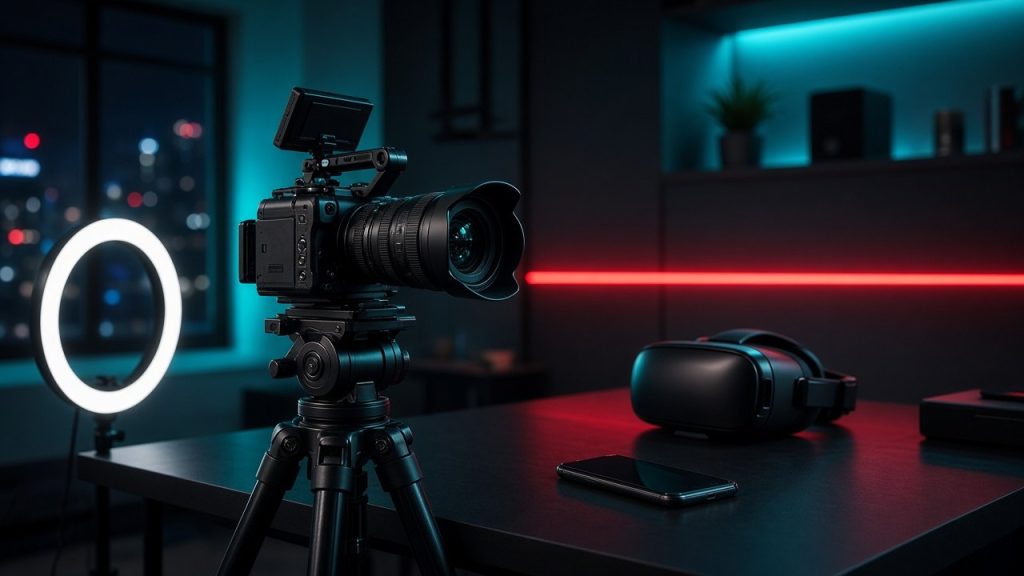
The live cam industry has experienced significant shifts over the past few years, driven by changes in consumer technology, streaming infrastructure, and platform policies. For both seasoned viewers and working performers, the landscape of 2026 looks distinct from the environment of the early 2020s. Platforms have had to adapt to higher expectations regarding video quality, mobile performance, and user privacy. Understanding these developments helps you navigate the options available on platforms like Stripchat or Chaturbate with realistic expectations.
Over the past several years, the baseline expectations for live streaming have evolved from a casual hobbyist setup to a highly professionalized digital entertainment sector. Consumers now demand high-speed responsiveness, crystal-clear audio and video streams, and intuitive user interfaces that work seamlessly across a wide variety of devices. For performers, this means keeping pace with hardware upgrades, software integrations, and shifting audience preferences to maintain a competitive edge. The modern viewer is more discerning, valuing genuine interaction, reliability, and platform security above all else. This evolution has transformed the industry into a sophisticated digital marketplace where both parties expect a high-quality experience.
Furthermore, regulatory changes, payment processing updates, and data privacy laws have forced platforms to clean up their operations. Anonymous browsing options, secure encryption layers, and transparent billing practices are no longer premium add-ons; they are standard expectations. As we analyze the trends defining this year, it becomes clear that technology and community standards are working hand in hand to reshape how adult entertainment is consumed and produced.
The Shift Toward Immersive Hardware Integration
Hardware integration has moved from a luxury niche to a baseline expectation for many interactive shows. Viewers increasingly utilize synced interactive devices that respond directly to digital tips and token goals in real time. Platforms have refined their underlying code to support these hardware connections with minimal latency, ensuring that physical feedback matches the visual stream seamlessly. If you want to understand how these feedback loops operate from the audience side, our guide on What Lovense Levels Mean for Viewers breaks down the technical mechanics.
The concept of tele-immersion has changed how audiences engage with digital broadcasts. Instead of passively watching a screen, viewers can invest in hardware that translates digital tokens into physical sensations. This creates a bidirectional loop of engagement that deepens the connection between the viewer and the performer. Performers who embrace this technology often find that their audiences are more willing to participate in public goals and private sessions because the interaction feels tangible and immediate.
However, this integration also requires technical literacy from both parties. Viewers must ensure their software drivers are up to date, while performers need to configure their broadcast software to capture and interpret hardware signals correctly. The reduction of technical barriers has made this ecosystem accessible to a wider demographic, moving interactive toys from a tech-savvy subculture into the mainstream of live cam broadcasting.
Wider Support Across Platforms
While interactive device support started primarily on specialty platforms, it is now standard across most major sites. Performers on networks like CamSoda and BongaCams routinely incorporate these tools into their standard broadcast setup. This widespread adoption has changed how public rooms function, turning passive watching into a communal, interactive experience.
Standardization across major networks has lowered the barrier to entry for viewers who use multiple platforms. Rather than configuring different software suites for every site they visit, users can rely on universal browser extensions and native platform integrations. For performers, this means they do not have to limit themselves to a single network to monetize their hardware setup. They can bring their interactive tools across different broadcasting hubs, reaching broader audiences without changing their technical configuration.
This cross-platform compatibility has also fostered innovation among hardware manufacturers, who now design their products with open application programming interfaces. As a result, software developers can create custom alerts, overlays, and tipping goals that display live hardware reactions directly on the broadcast screen, enhancing the visual spectacle for everyone in the room.
Reducing Technical Friction
Early iterations of hardware syncing frequently suffered from connection drops and audio-visual desynchronization. In 2026, streamlined browser protocols and dedicated applications have largely eliminated these frustrations. Sites have invested heavily in backend stability, allowing viewers to participate in complex multi-user tipping goals without crashing the stream or losing connection.
Behind the scenes, engineers have optimized web socket protocols and content delivery networks to handle the massive influx of data packets generated during busy shows. When dozens of viewers tip simultaneously to trigger a hardware reaction, the platform must process those micro-transactions and relay the commands instantly. Modern server architecture handles these bursts of activity with ease, preventing the lag spikes that once plagued busy public rooms.
For the end user, this means a smoother, frustration-free experience. You no longer have to worry about a sudden connection drop ruining a synchronized moment. The reliability of modern streaming infrastructure ensures that the digital and physical elements of the show remain locked in perfect sync from the beginning of the broadcast to the final goodbye.
Streaming Quality and Bandwidth Standards
Ultra-high-definition broadcasting has largely replaced the compressed 720p standards of the past. Performers now invest in dedicated webcams, professional lighting kits, and high-speed fiber connections to stand out in crowded directories. This focus on production value means that viewers expect crisp visuals and clean audio as a baseline across almost every major network.
The visual standards of live camming now rival traditional digital content creation. Grainy webcams and poorly lit rooms are increasingly rare among successful broadcasters. Instead, performers utilize multi-camera setups, ring lights, softboxes, and dedicated digital single-lens reflex cameras connected via capture cards. Audio quality has received equal attention, with performers utilizing professional microphones to eliminate background hums and ensure crystal-clear communication.
This rise in production value directly impacts audience retention. Viewers naturally gravitate toward streams that are easy on the eyes and ears. Platforms reward this by featuring high-definition broadcasters more prominently in their directories, creating a positive feedback loop that encourages continuous hardware upgrades across the industry.
Mobile First vs. Desktop Architecture
Mobile consumption continues to drive traffic growth, leading platforms to overhaul their mobile viewing interfaces. Whether viewers access sites via dedicated software installations or streamlined mobile browsers, the priority is smooth navigation and quick loading times. For a deeper look at how to access these services on mobile devices, consult our analysis on Cam Site Apps in 2026: Install or Stay in the Browser.
Designing for mobile requires a delicate balance between high-resolution streaming and data conservation. Mobile users expect the same crisp video quality as desktop users, but they often access streams over cellular networks where bandwidth can fluctuate. Modern cam sites utilize adaptive bitrate streaming, automatically adjusting video resolution based on the user’s current connection speed to prevent buffering.
Furthermore, user interface layouts have been redesigned to accommodate touchscreens. Tipping buttons, chat windows, and volume controls are positioned for easy thumb access, ensuring that mobile viewers can participate fully in public and private rooms without fumbling through clumsy desktop menus scaled down to fit a small screen.
Aesthetic Evolution
The visual presentation of broadcasts has also matured beyond simple bedroom webcams. Performers understand that the environment surrounding them plays a vital role in audience retention and brand identity. To explore why interior styling matters so much in modern broadcasts, read our feature on Cam Model Backgrounds: What Viewers Actually Notice.
A well-designed set does more than just look nice; it establishes a professional atmosphere and helps a performer stand out in a sea of generic spaces. From minimalist modern aesthetics to richly decorated themed rooms, broadcasters invest time and money into set design. This environmental curation signals to the audience that the performer takes their craft seriously, which in turn commands higher respect and better tips.
Lighting plays a crucial role in this aesthetic evolution. Performers no longer rely on harsh overhead room lights or the glare of a computer monitor. Layered lighting setups create depth, highlight performers effectively, and eliminate unflattering shadows, resulting in a polished broadcast that keeps viewers engaged for longer periods.
Monetization Models and Financial Transparency
The token economy remains the primary engine of the live cam industry, but the ways performers price their services have evolved. Dynamic pricing models allow broadcasters to adjust their private show rates based on demand, time of day, and audience loyalty. To learn more about the strategies broadcasters use to price their private interactions, see our guide on How Cam Performers Set Private Rates.
Financial transactions within the industry have also become more secure and diversified. While traditional credit and debit cards remain popular, platforms now accept a wide array of alternative payment methods, including cryptocurrencies, regional e-wallets, and voucher systems. This flexibility helps users maintain their privacy and ensures that transactions process smoothly regardless of geographic location or banking restrictions.
Transparency has improved on both sides of the ledger. Performers receive clear, itemized earnings reports detailing their revenue from tips, private shows, ticketed events, and referral bonuses. Viewers enjoy transparent pricing models with no hidden fees during checkout, making it easier to manage entertainment budgets and support favorite broadcasters responsibly.
Comparing Major Platform Architectures
Different platforms cater to different viewer preferences, ranging from free-to-watch public rooms with heavy tipping features to high-end private rooms. The table below outlines key structural differences across several prominent networks.
| Platform | Primary Focus | Key Interactive Feature |
|---|---|---|
| LiveJasmin | High-definition private shows | Ultra-crisp video feeds |
| Jerkmate | Direct matching and quick privates | Instant connection tools |
| Flirt4Free | Curated performer interactions | Themed room goals |
Choosing the right platform depends entirely on what kind of experience you are looking for. Some sites focus heavily on community building through large public chat rooms and gamified tipping goals, while others emphasize intimate, uninterrupted private sessions. Understanding these architectural differences helps you direct your time and tokens to the networks that match your personal entertainment style.
Moreover, backend algorithms on these platforms have grown smarter at matching users with performers. By analyzing viewing history, favorite tags, and tipping patterns, site recommendations become increasingly accurate over time. This reduces the friction of browsing through thousands of active rooms and helps you discover new performers who fit your exact tastes quickly.
Community Standards and Content Moderation
Content moderation has become more automated and proactive in 2026. Platforms utilize advanced filtering tools to protect both viewers and performers from harassment, copyright infringement, and unauthorized recording. These automated systems work alongside human moderation teams to maintain safe, predictable environments within public and private rooms.
Safety is a paramount concern for everyone participating in live adult entertainment. Modern moderation tools instantly flag abusive language, unsolicited explicit media in public chats, and suspicious account behaviors. This proactive approach ensures that public rooms remain welcoming spaces where users can chat freely without running into toxic behavior or disruptive trolls.
For performers, these protections are vital for maintaining a secure working environment. Automated copyright filters scan for leaked video streams and unauthorized screen captures, issuing takedowns swiftly. This technological shield gives broadcasters peace of mind, allowing them to focus entirely on their performance without constantly worrying about digital piracy.
Performer Well-Being
Burnout remains a persistent challenge in an industry that demands constant online presence and emotional labor. Platforms have introduced better scheduling tools, mandatory rest reminders, and mental health resources to help broadcasters sustain long-term careers. Viewers who want to understand the pressures behind the screen can read our article on Cam Model Burnout: Signs and How Performers Cope.
The psychological toll of performing live for hours at a time is significant, often involving social isolation, irregular sleep schedules, and the pressure to maintain an energetic persona. Recognizing these challenges, leading platforms now offer educational webinars, peer support forums, and tools that allow models to take scheduled breaks without penalizing their search visibility.
Audience awareness has also evolved. Viewers who understand the realities of performer burnout are more likely to offer words of encouragement, respect boundaries, and support models during difficult streaming days. This mutual empathy creates a healthier, more sustainable community culture for everyone involved.
Viewer Etiquette
Audience expectations have shifted toward greater respect for boundaries and room rules set by individual broadcasters. Tipping culture is no longer just about getting attention; it is viewed as a mutual exchange that respects the performer’s time and effort. Understanding these unwritten rules makes the overall experience more enjoyable for everyone involved.
Every broadcast room operates as a unique micro-community with its own set of guidelines posted by the performer. Respecting these rules—whether they concern prohibited topics, language choices, or tipping requirements—ensures a harmonious environment. Trolls and disruptive users are quickly shown the door by moderators or automated filters, leaving a polite and engaged audience behind.
When viewers treat performers with professional courtesy, the quality of the broadcast improves noticeably. Performers feel safe, valued, and more willing to engage in creative, personalized interactions. Good etiquette is ultimately an investment in a better show for yourself and everyone else in the virtual room.
Specialized Niches and Diversity
Diversity within live cam directories has expanded significantly, giving audiences access to a wider array of specialized content categories. Whether searching for body-positive broadcasts, specific gender configurations, or regional preferences, directories are easier to filter than ever before. Broadcasters from all backgrounds have found dedicated communities that appreciate their unique style of performance.
- Expanded directories for diverse body types and identities
- Improved regional localization for global audiences
- Better search filtering for specific performance styles
- Dedicated spaces for alternative adult entertainment
This increased specialization ensures that viewers do not have to settle for generalized content. Platforms now curate their homepages based on historical viewing habits, connecting audiences with performers who match their exact preferences without endless searching.
The decentralization of mainstream media has allowed independent performers of all backgrounds to build loyal, self-sustaining fanbases. Specialized categories that were once difficult to find are now prominently featured, thanks to robust tagging systems and refined search algorithms. This inclusivity has enriched the entire industry, making it a reflection of diverse global desires rather than a narrow, homogenized marketplace.
Furthermore, regional localization has broken down language barriers. Platforms offer multi-language support, automated currency conversions, and region-specific directories that connect local audiences with performers who share their language and cultural background. This global reach ensures that everyone, regardless of where they live, can find welcoming communities and engaging entertainment tailored to their needs.
Frequently Asked Questions
Are live cam sites safer to use today than in previous years?
Yes, modern platforms employ robust encryption standards, secure payment gateways, and strict privacy protocols to protect user data and financial information from unauthorized exposure.
Do I need to install special software to watch high-definition streams?
Most modern cam sites operate entirely within standard web browsers using advanced HTML5 video protocols, though some networks offer optional applications for faster mobile access.
How have private show rates changed for viewers?
Private show rates have become more flexible, with many platforms allowing performers to set dynamic pricing based on the type of interaction, session length, and audience demand.
Can I use interactive sex toys on all cam platforms?
While most major sites now support standard interactive hardware protocols, compatibility can still depend on the specific browser, device model, and platform integration.
What is the best way to support a performer without spending a fortune?
Beyond tipping tokens, participating in free public chat rooms, following performers, and sharing their schedules helps build community engagement and visibility.
Bottom line
The live cam industry in 2026 is faster, more stable, and deeply integrated with modern consumer technology. By prioritizing high-definition video, reliable hardware syncing, and improved community guidelines, platforms have elevated the standard for both viewers and performers. Whether you are exploring casual public rooms or investing in private shows, understanding these technological and cultural shifts ensures a smoother and more rewarding experience.